


Aviation · Platform & CMS
Westwind Aviation
Sixty years of operations, finally on one platform.
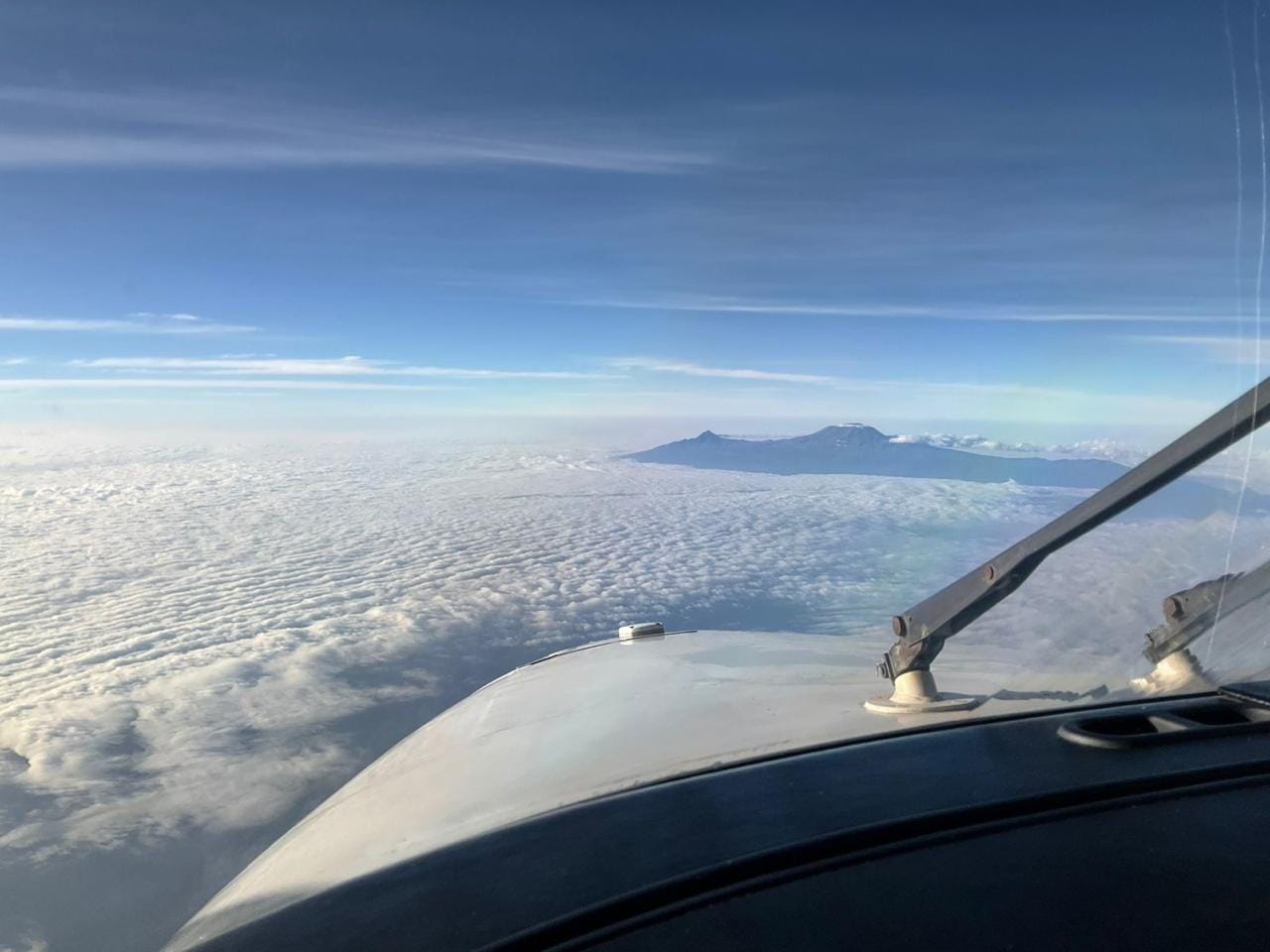
About the project
A charter, medevac, cargo, and maintenance operator based at Wilson Airport, Nairobi—rebuilt as a content-managed platform its own team runs day to day.
View live projectWestwind Aviation has flown since 1962 and had almost none of it online. The brief was not a brochure site: it was a system that could hold a fleet, a route network, six service lines, and a company's history, and stay current without a developer in the loop.
- Client
- Westwind Aviation Limited
- Status
- Live platform
- Role
- Product design & full-stack development
- Services
- UX/UI · Full-stack development · CMS architecture · Motion design
- Industry
- Aviation & air charter
- Platform
- Next.js · Supabase
Case study framework
From the problem to the shipped product.
A transparent view of the UX thinking, interface decisions, and front-end engineering behind the work.
- 01Problem
- 02Context
- 03Discovery
- 04Pain points
- 05Flows
- 06Wireframes
- 07Exploration
- 08Final UI
- 09System
- 10Implementation
- 11Learnings
A sixty-year operation had far more capability than its digital presence showed.
Westwind needed to communicate fleet, destinations, charter, medevac, cargo, maintenance, humanitarian missions, and aircraft management to buyers with very different urgency. It also needed a platform the internal team could keep accurate without a developer.
Who the product had to work for—and what the business needed it to change.
- Charter clients
- Medical coordinators
- Humanitarian teams
- Aircraft owners and operators
- Make operational credibility visible
- Clarify six distinct service lines
- Present fleet and route evidence
- Enable secure in-house publishing
Discovery focused on the decisions people were already trying to make.
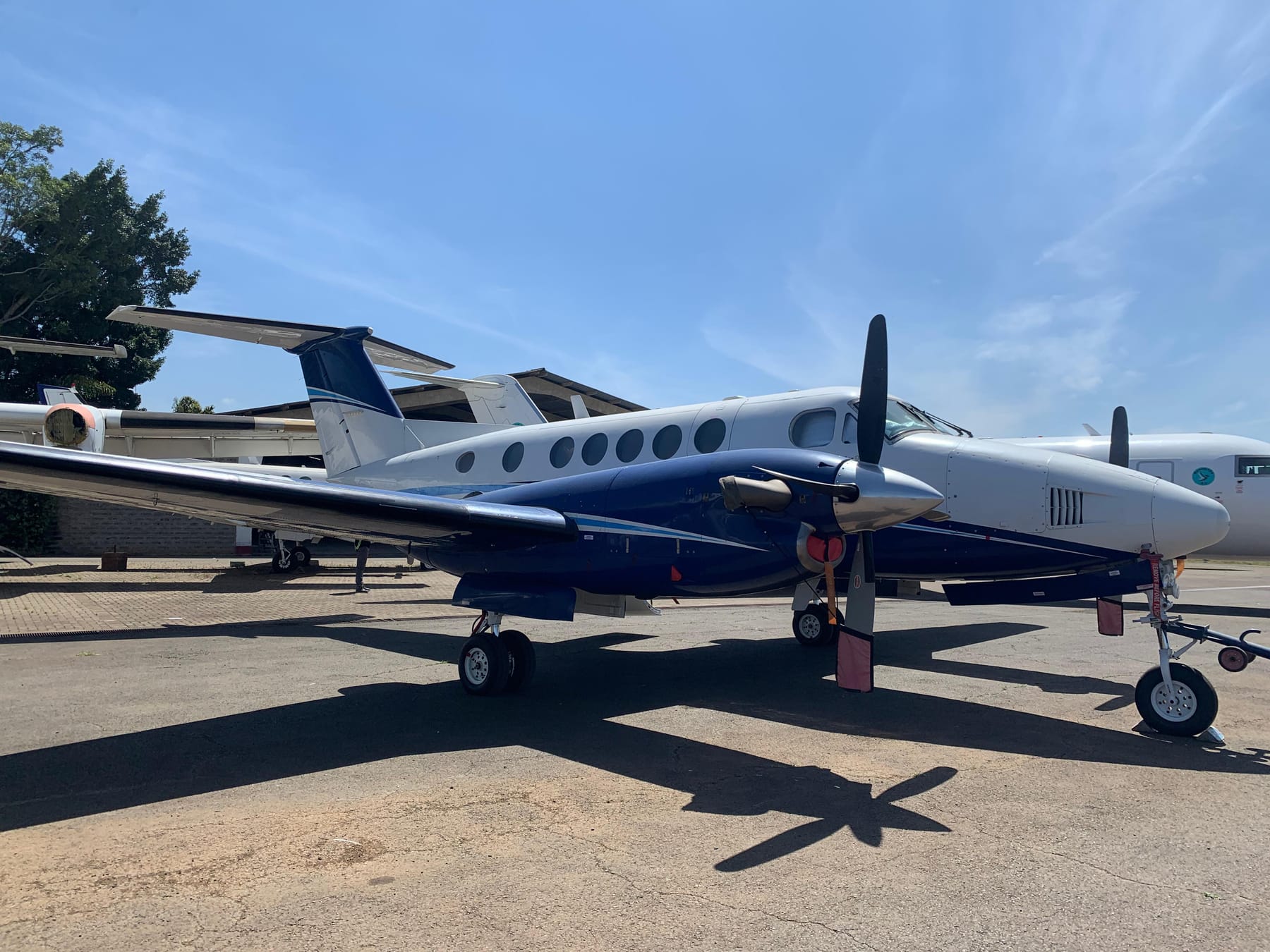
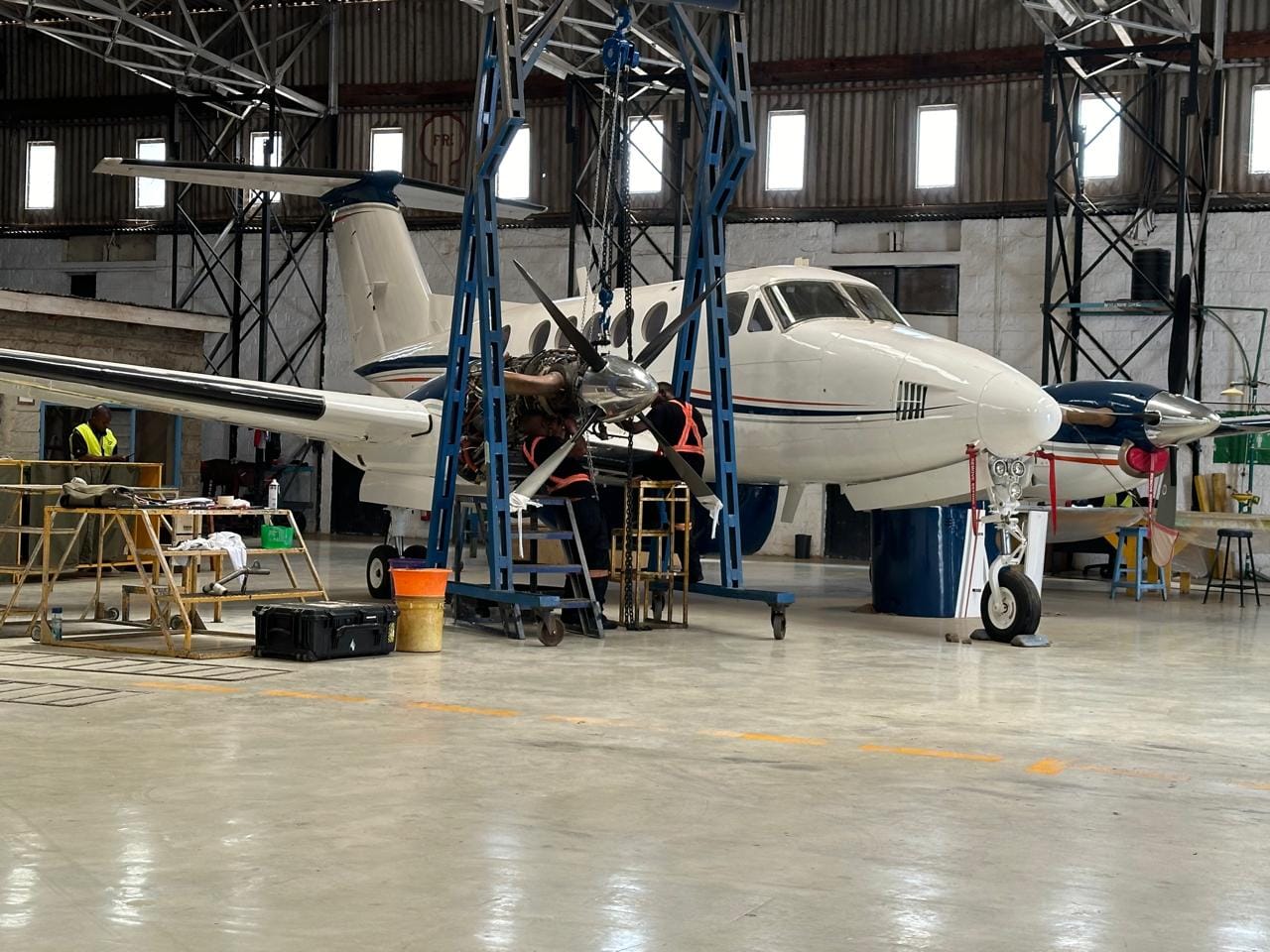
- Real operational photography was more persuasive than generic aviation imagery.
- Each service has a distinct buyer, vocabulary, and urgency.
- Fleet specifications and destination coverage needed to behave as structured data, not static brochure copy.
The experience had to remove three sources of friction.
Hidden credibility
Decades of experience, real aircraft, and difficult missions were barely represented online.
Competing audiences
A medevac coordinator and an aircraft owner should not have to decode the same generic services page.
Developer dependency
Routine changes to fleet, routes, jobs, and content could not depend on a code release.
Lead each audience from evidence to the right operational conversation.
- 01
Establish trust
History, aircraft, crews, and approvals
- 02
Choose service
Six audience-specific routes
- 03
Verify capability
Fleet, specifications, and destinations
- 04
Understand fit
Mission detail, FAQs, and requirements
- 05
Request
Context-aware charter or service enquiry
The architecture treated services, fleet, and destinations as connected evidence.
Early structures moved away from a brochure sitemap. The homepage became an index of capabilities, while structured fleet and destination records could appear in relevant service journeys and remain independently maintainable.
Operational confidence replaced private-jet cliché.
Use the operator's real aircraft and environments
Let motion settle instead of perform
Write each service for its actual decision-maker
Turn claims about reach into visible route evidence
Real photography and structured information carry the final experience.
The interface keeps a quiet deep-blue frame around Westwind's real aircraft, cabins, airstrips, and maintenance work. The supporting screens and imagery show how operational proof becomes the visual identity.
The design system mirrors the content model behind it.
#004d99#cfe0f4#0b1524#f7f5f0- Deep blue and generous typography provide a consistent frame for varied field photography.
- Fleet, destinations, services, and team content are reusable structured records.
- All interactive states remain usable with keyboard, touch, and reduced motion.
A custom platform gives the team control without sacrificing resilience.
The site runs on Next.js and a Supabase-backed content system with row-level security, users, and roles. Administrators edit copy, media, links, fleet, destinations, careers, and site settings in context, while key public pages retain safe fallback data if the content service is unavailable.
Model operational data independently from page composition.
Use row-level security and role-aware editing controls.
Provide static fallbacks for business-critical fleet content.
What the work changed—and what I would carry into the next version.
Specific evidence creates more trust than broad claims in a high-stakes service.
A CMS is a UX project for the internal team, not only an engineering feature.
Structured content made six services feel distinct without fragmenting the brand.
The impact
A sixty-year-old operator with a platform that keeps up.
Westwind now presents its fleet, network, and full range of services through one system—and maintains all of it in-house. What used to require a developer for a copy change is now a click on the page itself.
Continue exploring
Newline Limited